





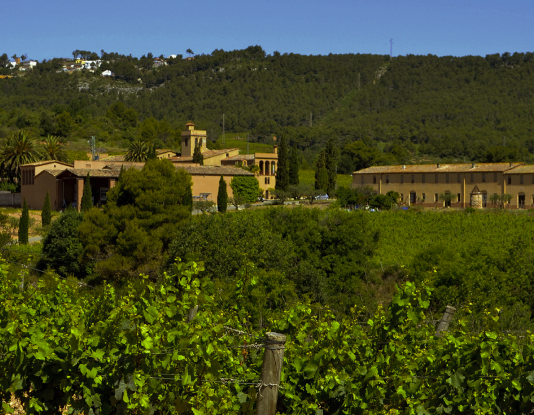
Only wines produced in the champenoise traditional method may be labelled “cava”. Almost 95% of all cava is produced in the Penedès area in Catalonia, with the village of Sant Sadurní d’Anoia being home to many of Catalonia’s largest production houses as well as to Carus Unum cava.
The Macabeu, Parellada and Xarello are the most popular and traditional grape varieties for producing cava. The properties and characteristics of Cava owe themselves to the soils of the vineyards, the varieties of grape used and the climate. Penedès wine region stretches from the Mediterranean coastline to the highest areas, at an altitude of approximately 800 m.

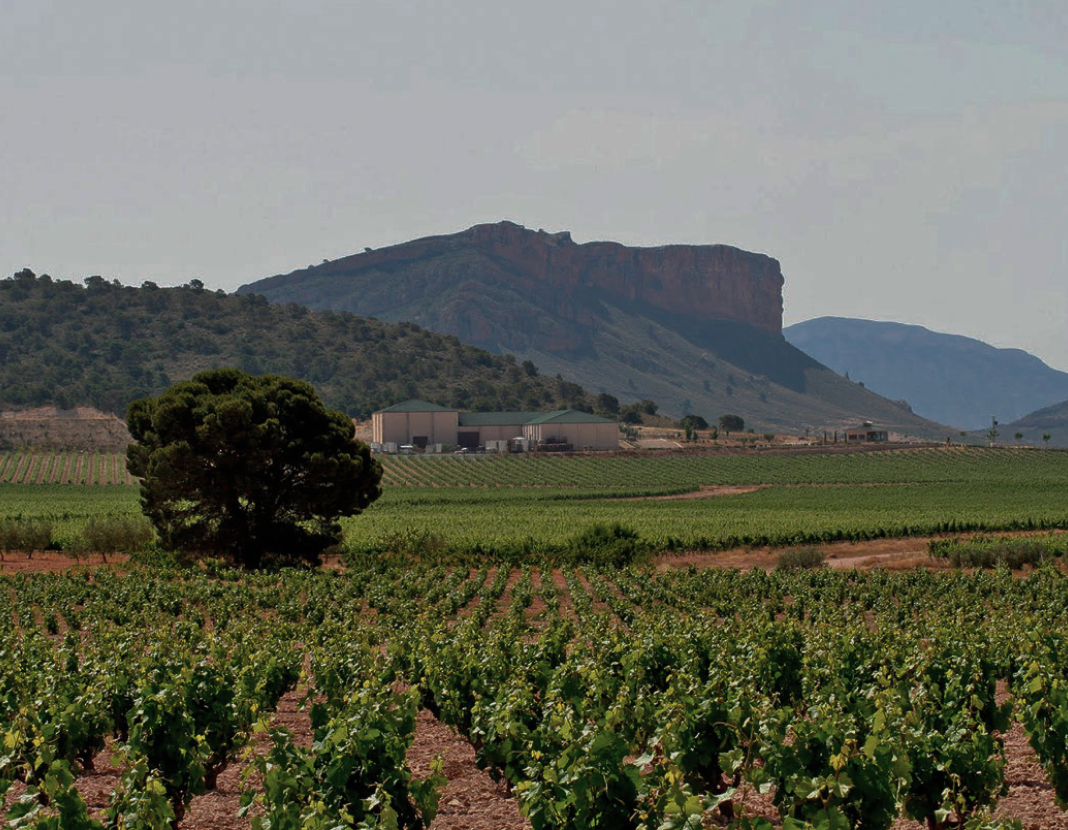
The Designation of Origin Jumilla is located in the Southeast of Spain, a transition area between the Mediterranean coast and the Castilla La Mancha plateau and an area characterised by wide valleys surrounded by mountains. There are currently over 30,000 hectares of vineyards registered.
The Designation of Origin Jumilla has carried on an important wine tradition for centuries. Vines were grown in this area as early as the Hispanic Romanisation. Over the years, Jumilla has become one of the oldest Designations of Origin in Spain, regulated since 1966.
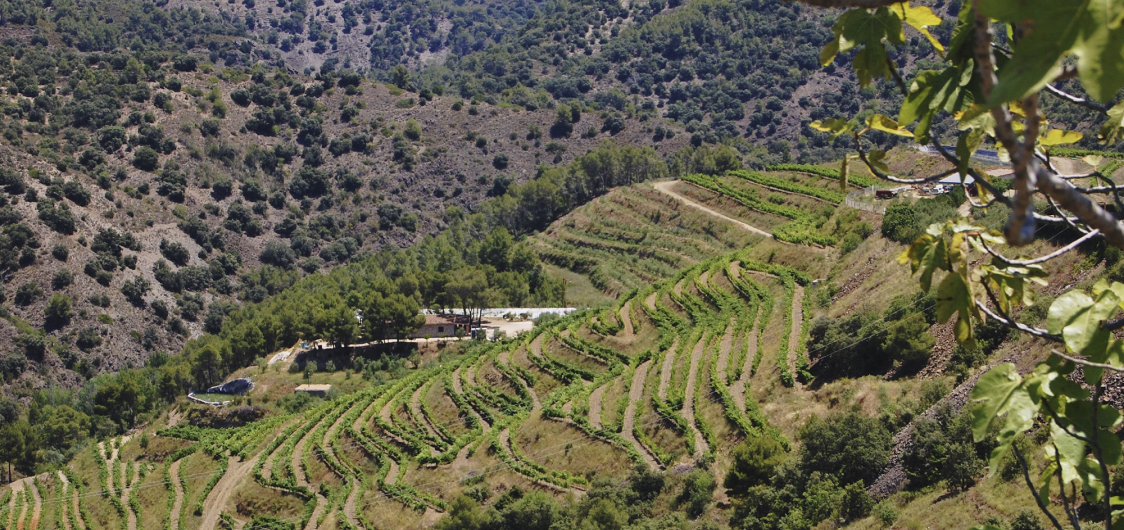
The Denominació d’Origen Qualificada Priorat is a small mountainous region located in the heart of the province of Tarragona. It is one of only two wine regions in Spain which gained its exclusive “Qualificada” adjective in its official name. The Siurana river and its tributaries are the main geographic artery of the area, and have created a series of valleys due also to the geological curves of the ridges and steep hillsides.
The Priorat ‘viñedos’ are considered to be some of the oldest and wisest of the Spanish vines. Thanks to the limited rain, high filtration and mineral-rich soil, wines from the Priorat are renowned for their distinct, consistent character. These full-bodied wines that are derived from the black slate-laden soil have found their way to the top ratings of the world’s leading wine industry journals.
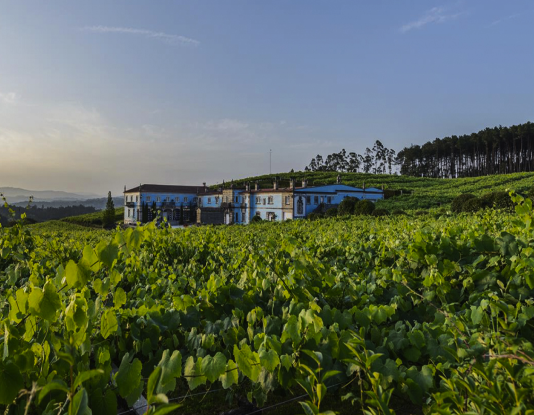
The Rías Baixas appellation is a small wine-growing area in north-west Spain, in the region of Galicia. DO Rías Baixas is renowned for the Albariño grape that produces some of the world’s foremost white wines. Albariño shares the same mineral-rich soils and cool climate as the world’s other renowned white wine-producing regions, including France’s Loire Valley, New Zealand, and the Rhine region of Germany.
One of the key success factors has been the commitment growing the region’s indigenous grape varieties, in particular Albariño, which cope so well with the challenging local climate and impart genuine quality and a sense of place to wines that have a distinctly Atlantic character.
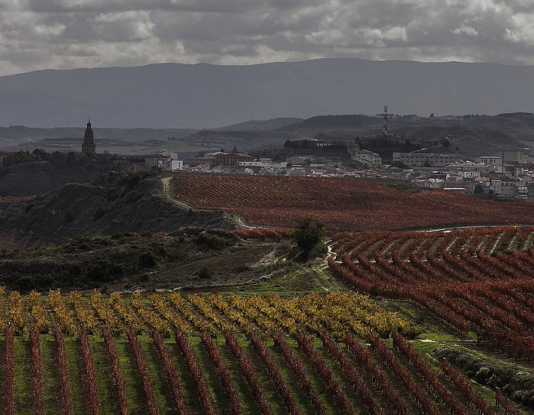
Thinking of Spain, we are thinking of Rioja.
The earliest written evidence of the existence of the grape in La Rioja dates back to 873. As was the case in many Mediterranean lands in mediaeval times, monks were the main practitioners of winemaking in La Rioja and great advocates of its virtues.
Located south of the Cantabrian Mountains along the Ebro river, La Rioja benefits from a continental climate. The mountains help to isolate the region and protect the vineyards from the fierce winds that are typical of northern Spain.
Rioja is further subdivided into three zones: Rioja Alta, Rioja Baja and Rioja Alavesa. Many wines have traditionally blended from all three regions, though there is a slow growth in single-zone wines.
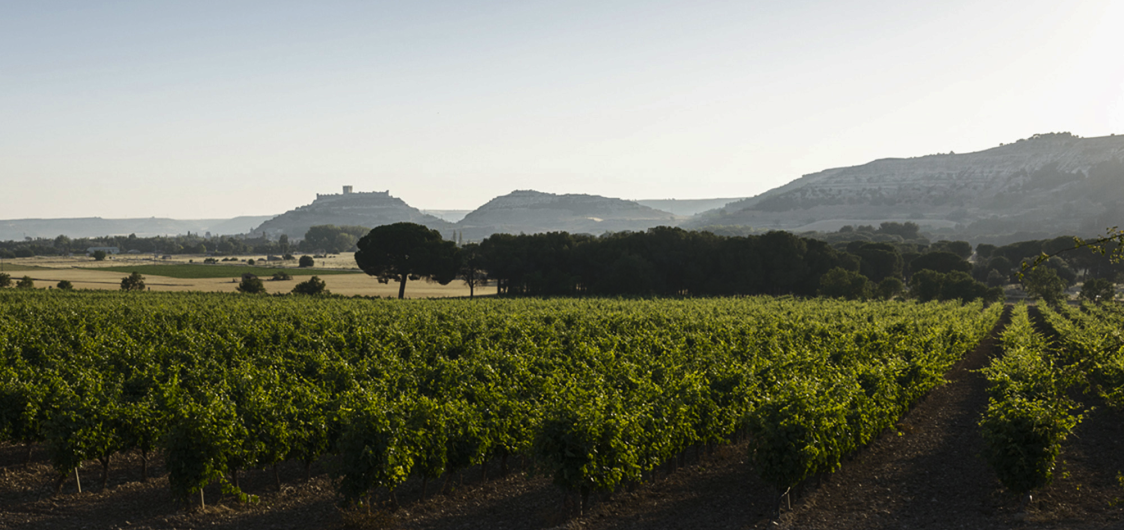
Year after year, Ribera del Duero has been rising up to challenge Rioja for her majesty of Spain’s greatest wine region. Once known only as the home of Vega Sicilia it now hosts numerous bodegas of outstanding quality. At lower price points, Ribera offers one of the best wines in the world.
Like Burgundy in France, Ribera del Duero is a classic region that delivers an amazing variety of red wines mostly from one grape variety Tempranillo, thanks to its diverse terroirs. It is a dry area with very diverse soils, including clay, sand, limestone, marl and chalk. The climate is continental, with harsh winters, hot summers and high daily temperature variation.
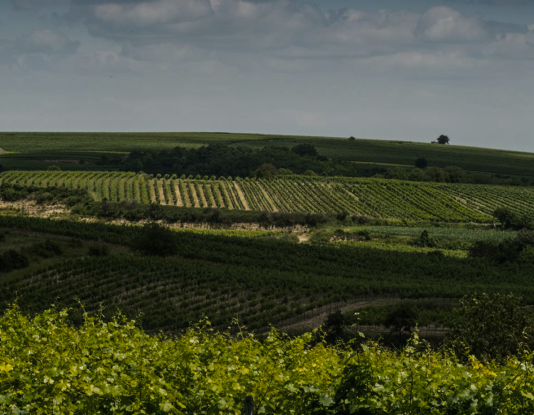
Nowadays the largest Austrian wine producing region has finally gained it is international recognition. The success of Weinviertel is down to Grüner Veltliner and the regionally typical Weinviertel DAC and Weinviertel DAC Reserve wines.
The region is located in the State of Niederösterreich (Lower Austria) and with 13,356 hectares of vineyards makes up nearly a third (29.1%) of the combined area of all of Austria’s area under vines.
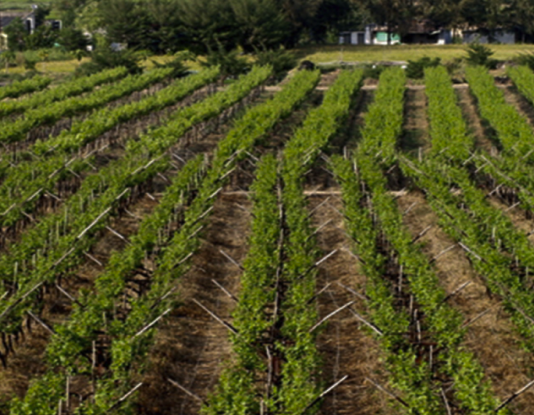
The Central Valley (El Valle Central) of Chile is one of the most important wine-producing areas in South America in terms of volume. It is also one of the largest wine regions, stretching from the Maipo Valley (just south of Santiago) to the southern end of the Maule Valley. This is a distance of almost 400km and covers a number of climate types.
A broad variety of wine styles and quality can be found in this large area, from many different terroirs. It ranges from more affordable wine produced by the older, more-established vineyards of Maule to the relatively expensive Bordeaux-style wines produced in northern Maipo.
The Central Valley is also home to a variety of grapes, but plantings are dominated by the internationally popular Cabernet Sauvignon, Merlot, Syrah, Chardonnay and Sauvignon Blanc. Chile’s ‘icon’ grape, Carmenere, is also of importance here, just as Malbec is to Mendoza, on the other side of the Andes.